



How to Put a Better Building Experience in Your Tenants’ Hands

 Listen to this article
Many commercial buildings have spent the last five years adding tenant experience solutions but most of them have the same problem: the apps run on their own data. When a tenant submits a service ticket in the app, someone on the property team sees it, then opens the work order system to create the actual ticket. A tenant books a conference room in the app but the charge has to be manually entered into the accounting platform at month end. Visitor check-in is logged in the lobby kiosk, but that log doesn't connect to anything.
The problem of running one building on two stacks
The CRE proptech market responded to the return-to-office wave by treating tenant experience as a front-of-house problem. The assumption was that engagement: the app, the booking flow, the communications feed, was something you bolted onto a building, separate from the back-end systems that handled leases, work orders and billing.
That assumption made sense when tenant experience platforms were primarily amenity booking tools for coworking operators, but it doesn’t hold for a 400,000-square-foot office building where a single tenant company might occupy eight floors, have 600 employees with varying access rights and generate dozens of service requests a week.
At that scale, two stacks means two sources of truth. Property managers reconcile them manually. Tenants feel the delay when a ticket update doesn't match what the app shows. Finance closes the month with charges that had to be rekeyed from one system to the other.
What the data disconnect actually costs
The tangible costs are the easiest to count: staff hours spent reconciling bookings against the billing system, work order status updates that don't reach the tenant app until someone manually syncs them and new tenant onboarding that requires provisioning users in two places.
The less visible cost is at the relationship level. A tenant's digital experience of the building is supposed to signal how the building is run. When the experience app shows one thing and the property team knows another, the gap becomes the landlord's credibility problem. A tenant who submits a maintenance request and can't see whether it's been acted on is going to call the property manager anyway. The app didn't reduce friction, instead it added a step.
For owners trying to use space utilization data to inform lease renewal conversations, disconnected systems make the underlying data unreliable. If bookings don't flow into the same database as lease and financial records, you can't build a complete picture of how a tenant actually uses the building.
The architecture question operators are starting to ask
The conversation has shifted over the last 18 months. CRE technology leaders who were evaluating tenant experience platforms on feature parity such as visitor management, amenity booking and a communications feed, are now asking where the data lives. Specifically, does the booking post directly to the ledger or does it need to be exported? Does the service ticket connect to the work order system natively or through a third-party integration that has to be maintained? When a tenant employee leaves the company, is their access revoked in one place or three?
These issues are the daily operating reality of a building with active tenants and a lean property team. The platforms that answer those questions cleanly are the ones getting traction with operators who have already been through one tenant experience implementation that required more staff time than it saved.
One record, from booking to lease
The market is moving toward tenant experience that runs on the same operational and financial data as the rest of the building — not integrated with it, but native to it. This means service tickets are the same record in the tenant app and the work order system and tenant activation happens once in the property management platform and propagates everywhere.
That's a meaningfully different architecture than what most of the first-generation tenant experience platforms delivered and a harder product to build. The tenant experience problem was never really about the app — it was about what the app was connected to. Look for a solution built natively on your property management platform so that every booking, visitor and service request lives on the existing tenant record.

|
Will Sandford, Director, Yardi
Will Sandford currently leads the Yardi coworking and tenant experience business in North America and is focused on creating a superior experience for operators, members, and industry partners across the flexible office industry. Drawing from his experience as a real estate investment banker and at WeWork, he has a specific focus on bringing the coworking and traditional office worlds closer together by leveraging Yardi's install base and suite of solutions. |
This Week’s Sponsor
Yardi® develops and supports industry-leading investment and property management software for all types and sizes of real estate companies. Established in 1984, Yardi is based in Santa Barbara, Calif., and serves clients worldwide. For more information on how Yardi is Energized for Tomorrow, visit yardi.com.
Read Next
 10/14/2026
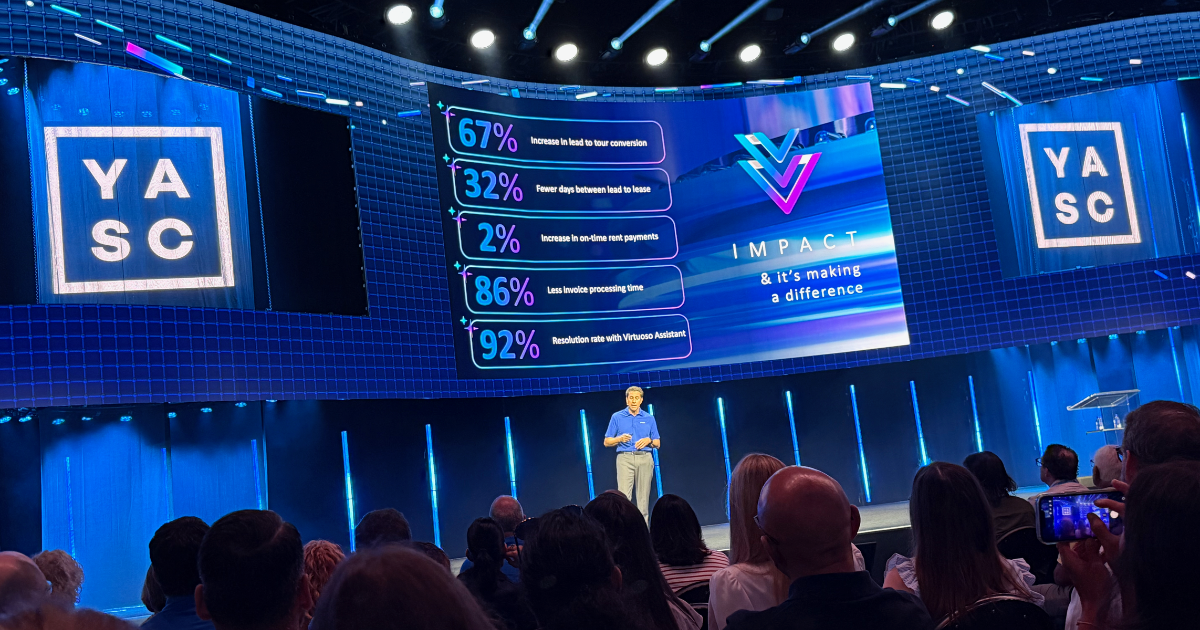
Yardi’s AI Strategy Takes Center Stage at YASC 2026 With the introduction of Virtuoso Enterprise, Yardi is positioning AI as a foundational component of its real estate technology platform, offering customers multiple paths to adoption.
 9/30/2026
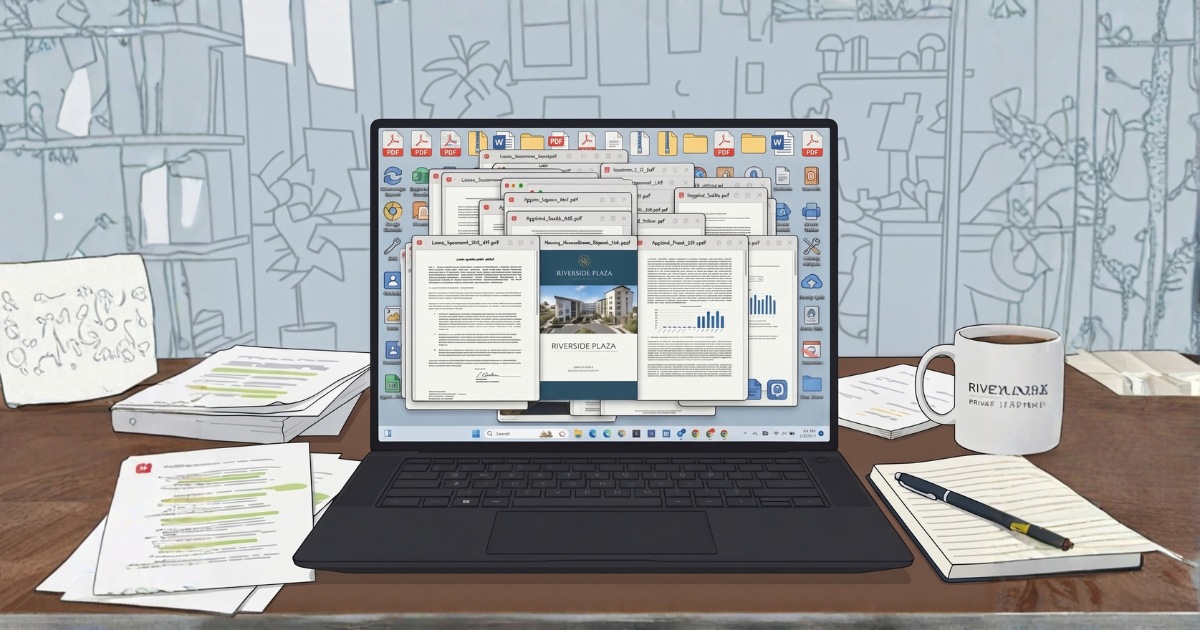
The Truth Is in the PDF AI has transformed what we can do with data. So why do we all still live in a sea of PDFs?
 9/16/2026
From CIO to Orchestrator in Chief: How today’s real estate tech leaders are making change make sense Today’s CIOs operate amid sustained complexity. Portfolios are more distributed, data is more interdependent, and expectations from executives, investors, operators, and residents continue to rise.
 9/2/2026
Are We Far Behind in Our Smart Building Strategy? There is a question every building owner, facility executive, engineer, system integrator, and technology provider should be asking: Are we far behind?